Let's save knowledge that is being lost!
Coordinator
Related Projects


Share
Support this project
We are looking for publications—including private documents—and photographs from the Arrenberg neighborhood’s past, both distant and recent, up to the present.
Project Timeline
What Has Happened So Far at Wissender Arrenberg
Event
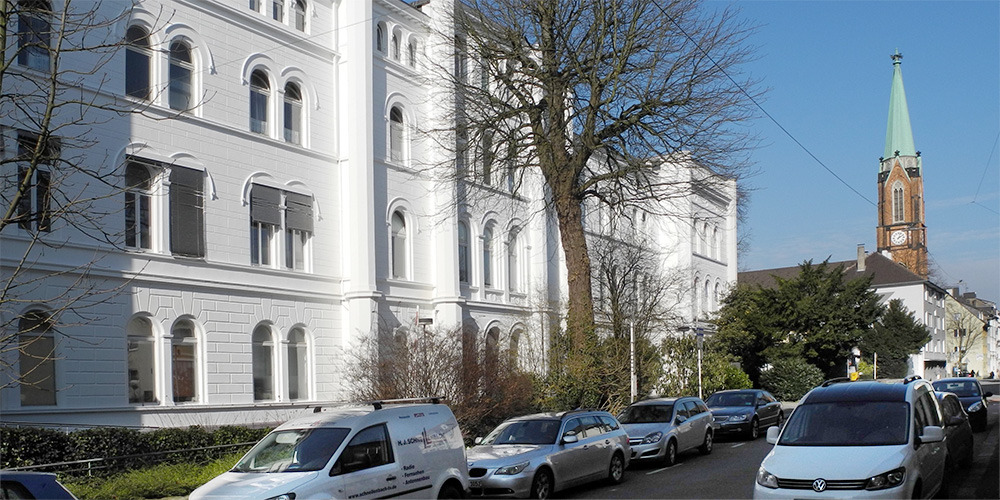
Sunday, September 27 Auf den Spuren des »Armenberg«
Eine Führung der VHS durch den Arrenberg zu den Anfängen der modernen Armenfürsorge in Elberfeld.
Treffpunkt: Trinitatiskirche, Beitrag: 5 €.
Mehr Infos unter https://www.wuppertal-live.de/?654958
Event
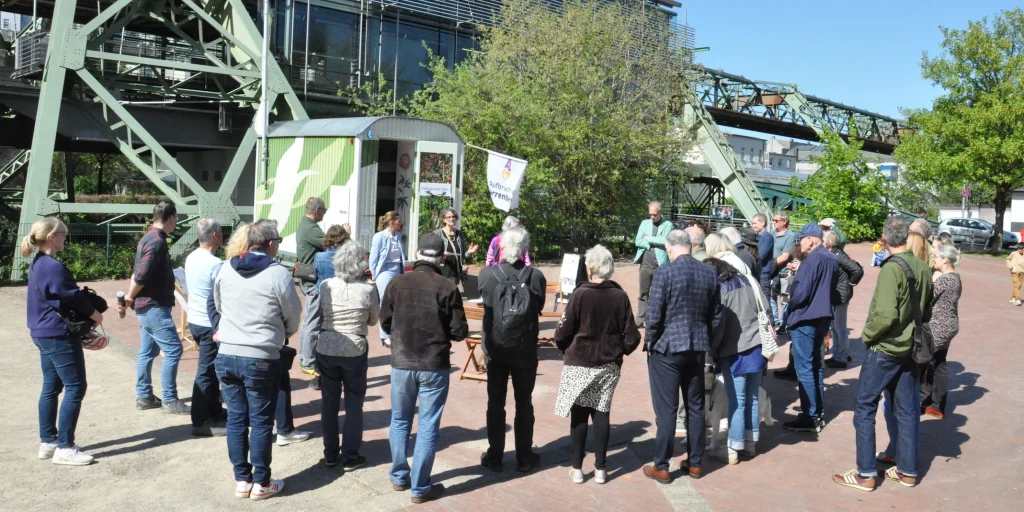
Thursday, August 6 Vortrag der QUGA am Arrenberg
"Die Königshöhe gestern, heute, morgen …" – Dr. Antonia Dinnebier erzählt
Die Landschaftsplanerin und Expertin für grüne Stadträume Dr. Antonia Dinnebier zeigt uns ihren bebilderten Vortrag über die Königshöhe in der Vergangenheit, der Gegenwart – und Zukunft. Als in der Gr…
Die Landschaftsplanerin und Expertin für grüne Stadträume Dr. Antonia Dinnebier zeigt uns ihren bebilderten Vortrag über die Königshöhe in der Vergangenheit, der Gegenwart – und Zukunft. Als in der Gründerzeit künstlich angelegter Landschaftsgarten bietet der heute in die Jahre gekommene Stadtwald viele versteckte kulturelle Schätze in Form von Gedenk- und Namenssteinen, die an Menschen erinnern, in deren Leben die Kunst eine zentrale Rolle spielte. So wird die Königshöhe zu einer Art Kunstgalerie, die in private Sammlungen und ins Von der Heydt-Museum weist. Im Gespräch ist der Kunstwald derzeit vor allem durch den geplanten Einbezug in die BUGA-Planung – und durch die mit dem Klimawandel verbundenen Fragen nach der Zukunft unserer stadtnahen Waldflächen.
Eine Veranstaltung in Zusammenarbeit mit der QUGA 2026, deren Info-Bauwagen auf dem Gutenbergplatz Informationstafeln über den Weg zwischen Königs- und Kaiserhöhe bietet. – Der Vortrag findet nicht am Wagen, sondern im Aufbruch am Arrenberg statt!
Event
Thursday, July 16 Verschoben auf 6. 8.! Vortrag QUGA
"Die Königshöhe gestern, heute, morgen …" Neuer Termin: Do., 6. 8., 19 Uhr
Die Landschaftsplanerin und Expertin für grüne Stadträume Dr. Antonia Dinnebier zeigt uns ihren bebilderten Vortrag über die Königshöhe in der Vergangenheit, der Gegenwart – und Zukunft. Als in der Gr…
Die Landschaftsplanerin und Expertin für grüne Stadträume Dr. Antonia Dinnebier zeigt uns ihren bebilderten Vortrag über die Königshöhe in der Vergangenheit, der Gegenwart – und Zukunft. Als in der Gründerzeit künstlich angelegter Landschaftsgarten bietet der heute in die Jahre gekommene Stadtwald viele versteckte kulturelle Schätze in Form von Gedenk- und Namenssteinen, die an Menschen erinnern, in deren Leben die Kunst eine zentrale Rolle spielte. So wird die Königshöhe zu einer Art Kunstgalerie, die in private Sammlungen und ins Von der Heydt-Museum weist. Im Gespräch ist der Kunstwald derzeit vor allem durch den geplanten Einbezug in die BUGA-Planung – und durch die mit dem Klimawandel verbundenen Fragen nach der Zukunft unserer stadtnahen Waldflächen.
Eine Veranstaltung in Zusammenarbeit mit der QUGA 2026, deren Info-Bauwagen auf dem Gutenbergplatz Informationstafeln über den Weg zwischen Königs- und Kaiserhöhe bietet. – Der Vortrag findet nicht am Wagen, sondern im Aufbruch am Arrenberg statt!
Event
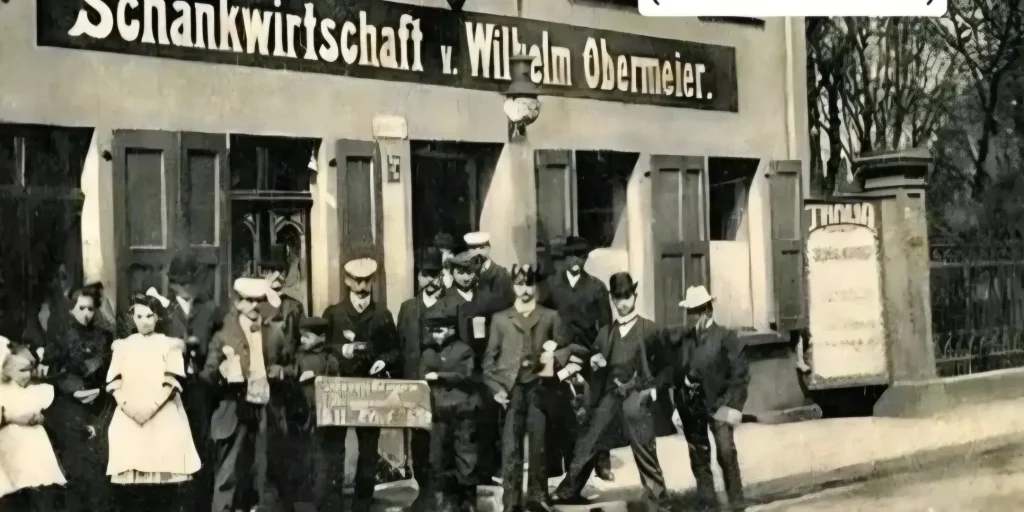
Friday, September 25 Arrenberg During the Nazi Era
City Tour: VHS City Walk with Historian Stephan Stracke
Arrenberg During the Nazi Era New Date for the City Walking Tour! September 25, 2026, 5:00 p.m. (The June 26 tour has been canceled) Meeting point: Pestalozzistraße suspension railway station Arrenbe…
Arrenberg During the Nazi Era
New Date for the City Walking Tour!
September 25, 2026, 5:00 p.m. (The June 26 tour has been canceled)
Meeting point: Pestalozzistraße suspension railway station
Arrenberg was also a contested area before 1933. On one side were strong forces from the KPD and SPD; on the other, the SA had established strongholds in the neighborhood very early on.
After the National Socialists seized power, three anti-fascists from Arrenberg died in the first half of 1933 alone; Friedrich Born (Simonstr. 69) and Paul Reuber (Baumstr. 12) were killed by the SA. On June 26, 1933—93 years ago today—Wolfram Custin (49 Simonstraße) fled onto the roof to escape the SA and fell to his death. In the fall of 1933, prisoners from the Kemna concentration camp were detained in the former orphanage on Arrenberger Straße.
In 1942, resistance fighters from Arrenberg, centered around the Kaps family, made another attempt—as part of the so-called Knöchel Group—to organize viable resistance structures in West Germany and the Reich territory. In early 1943, the Gestapo began to dismantle the Knöchel organization. Over 200 people were arrested and severely mistreated, including 50 from Wuppertal.
Twenty-three people were sentenced to death and executed, died in pretrial detention as a result of abuse, or were driven to suicide. The historical city tour takes visitors to the sites where these events took place.
Zeitlebens frage ich mich, wie die großartige Reformstimmung der 1920er Jahre in diese Katastrophe führen konnte. Diesen Termin will ich mir nicht entgehen lassen – er soll dabei helfen, das Ganze aus der Nähe besser zu verstehen!
Keine Anmeldung erforderlich, Gebühr 5 € bar vor Ort. Mehr Infos: http://www.bergische-vhs.de/index.php?id=136&kathaupt=11&knr=262W104027;
SY
30.06.2026 23:14Ist eine Anmeldung erforderlich?
Aufbruch
01.07.2026 15:26Es ist eine Veranstaltung der VHS; man sollte sich anmelden (über www.bvhs.de). Aber ich glaube, dass es im Notfall auch so geht.